
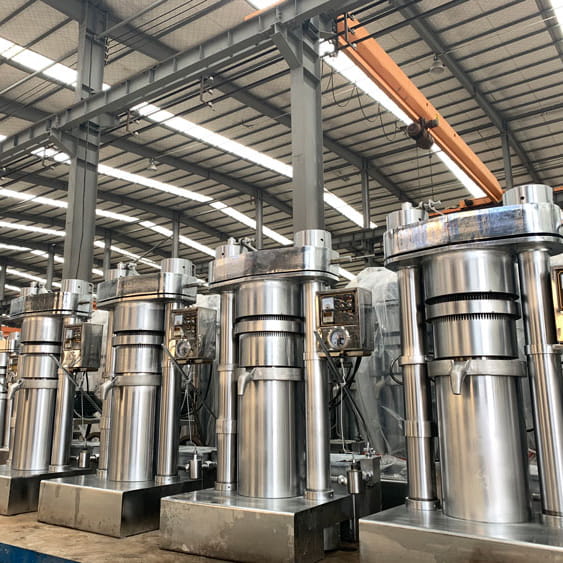
Pine Nut Oil Presser
Introduction of small hydraulic press to press pine nuts
Introduction of small hydraulic press to press pine nuts
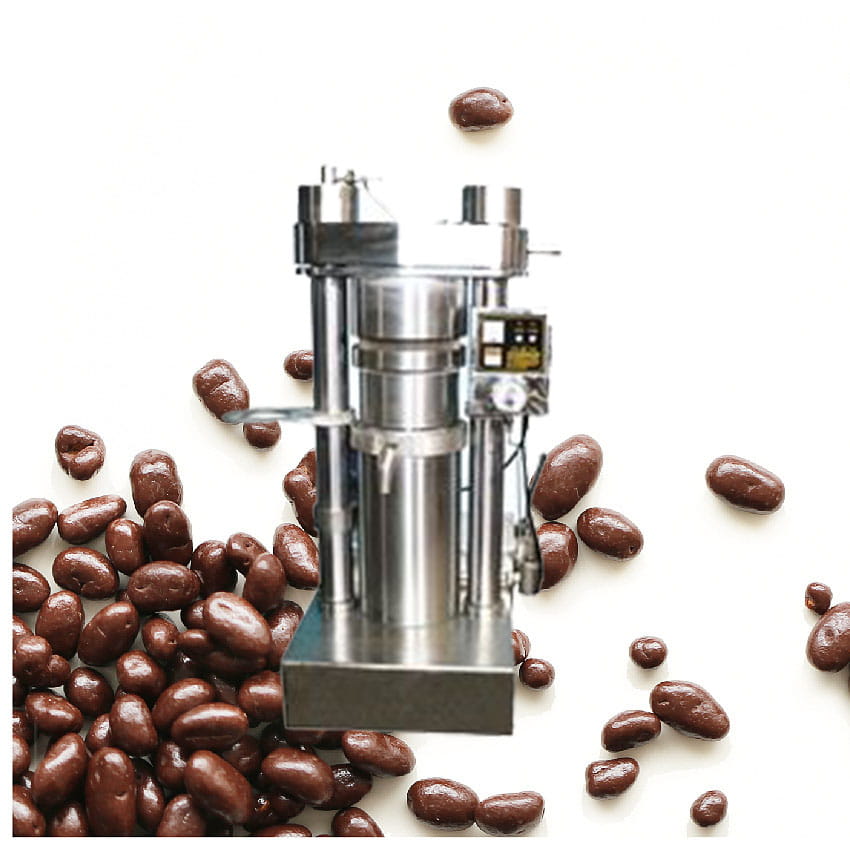
Introduction of small hydraulic press to press cocoa beans
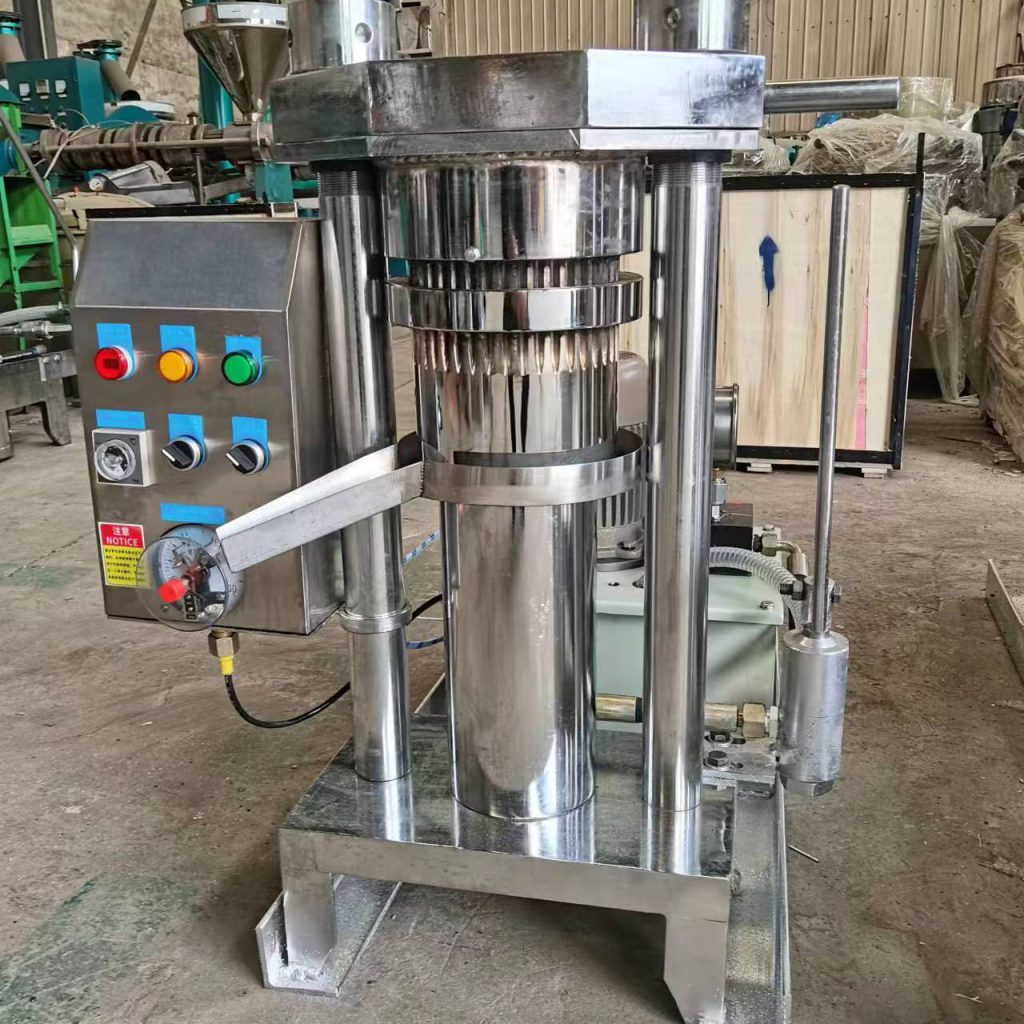
Precautions for pressing sesame with small hydraulic press
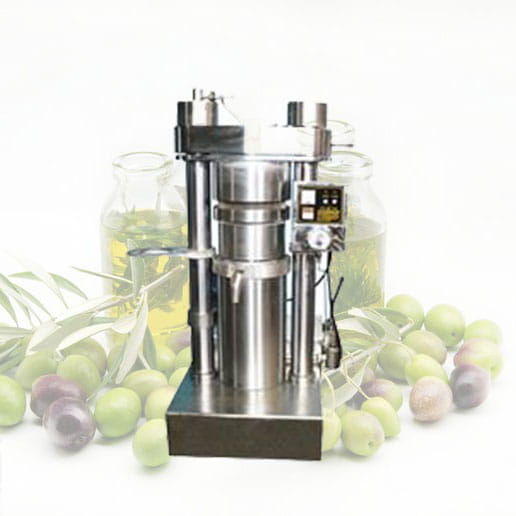
Features of olive oil pressed by small hydraulic press
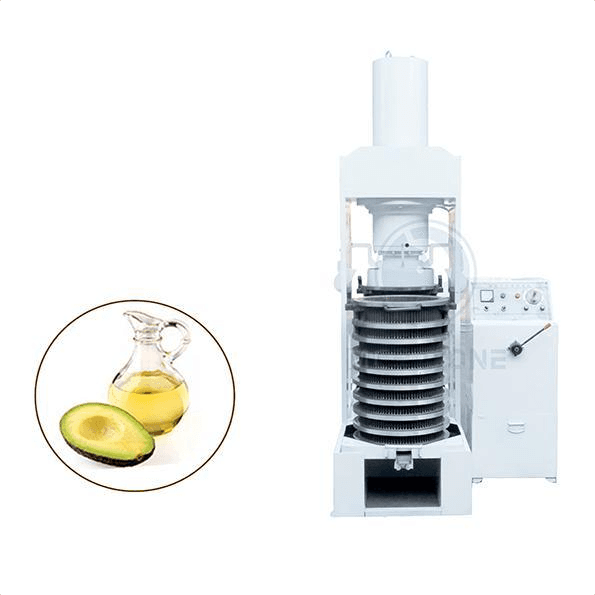
Introduction of large hydraulic press to press avocado
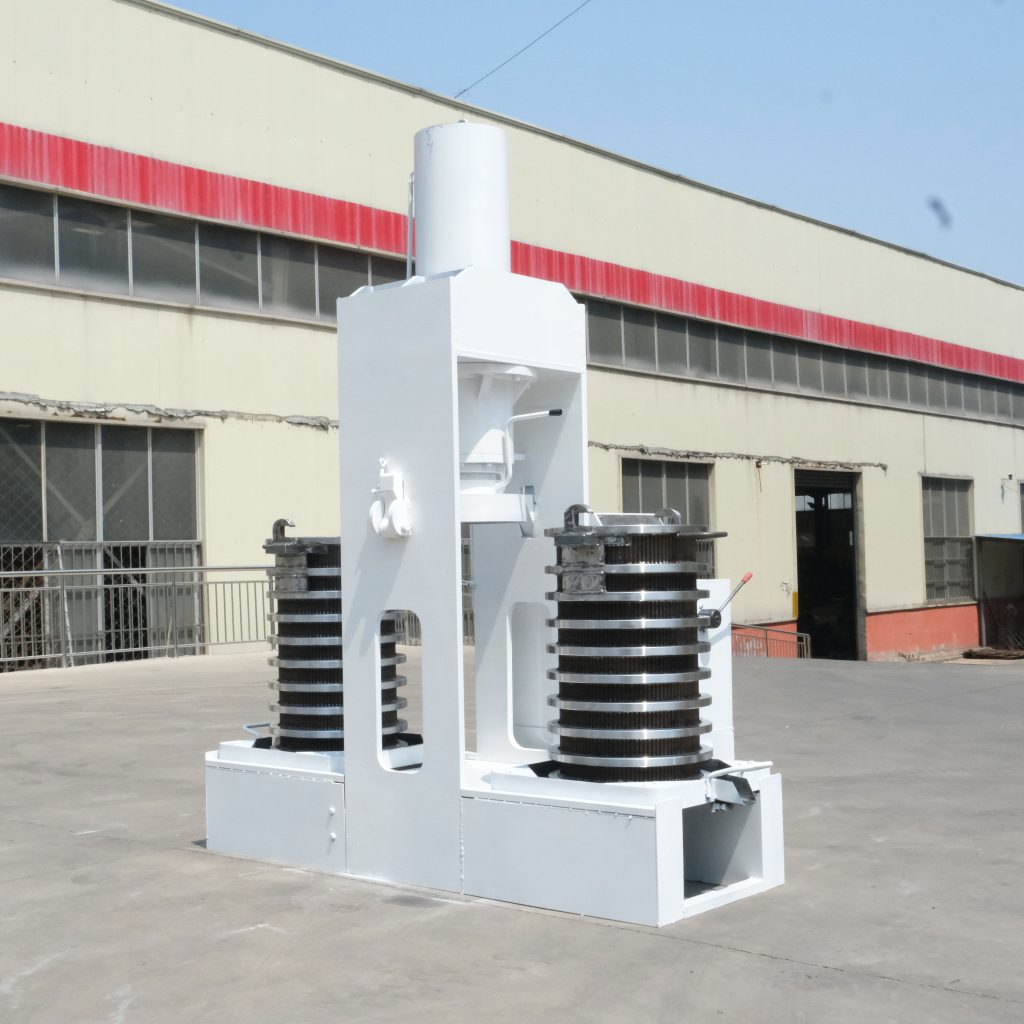
Introduction to the process of pressing walnuts with a large hydraulic press
Introduction to the process of pressing walnuts with a large hydraulic press
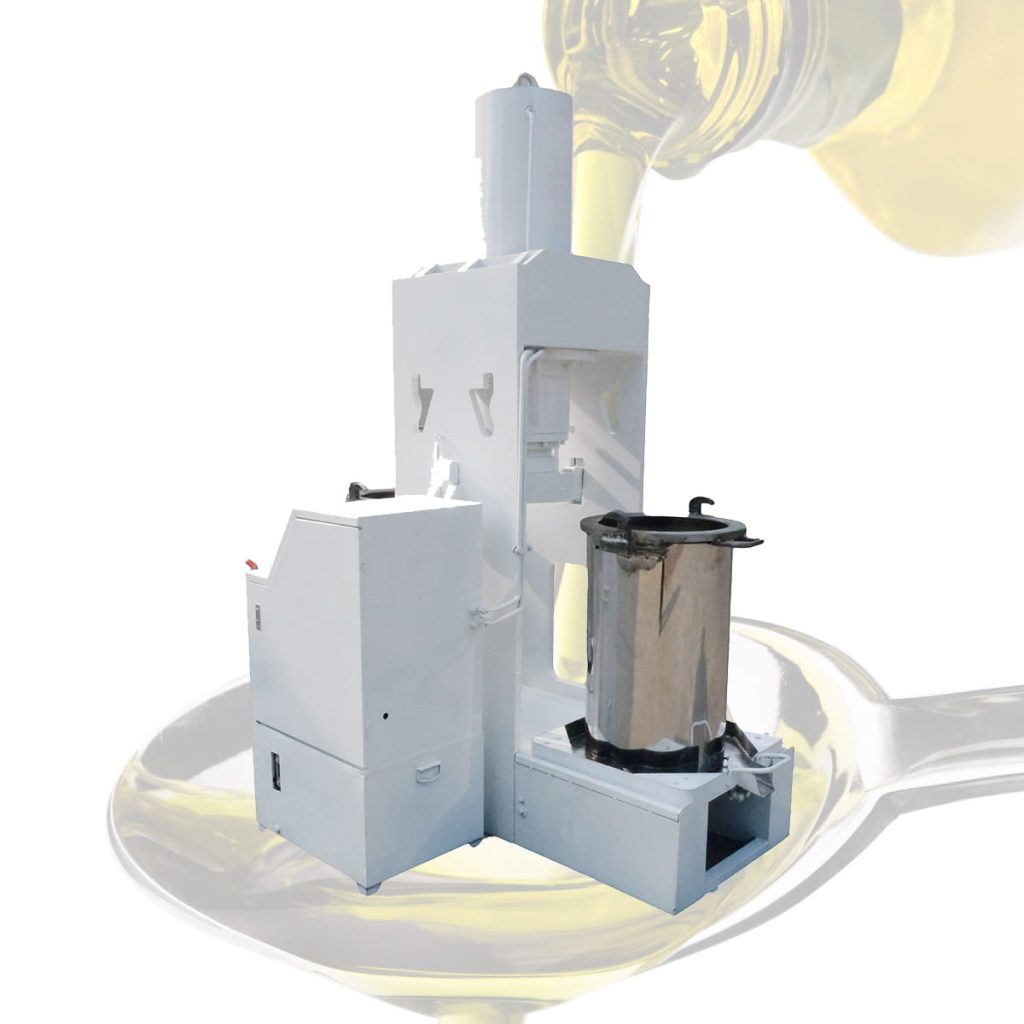
Introduction of large hydraulic press to press olive oil
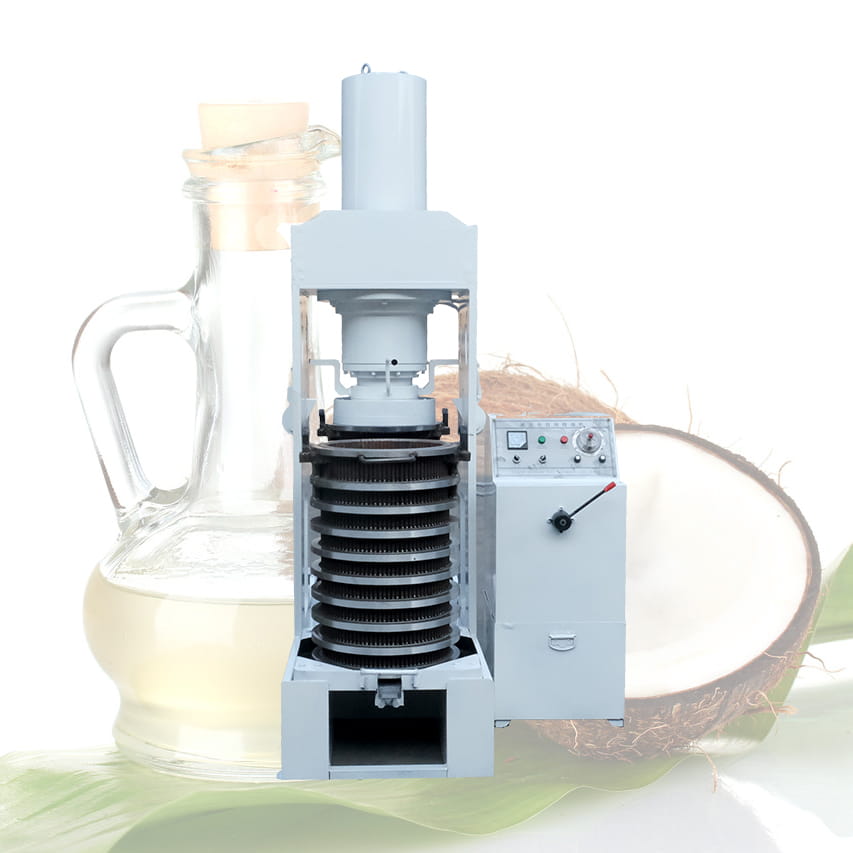
Virgin Coconut Oil and Refined Coconut Oil
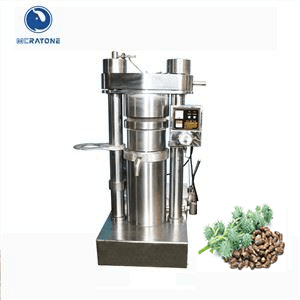
Castor bean oil for medical and industrial use
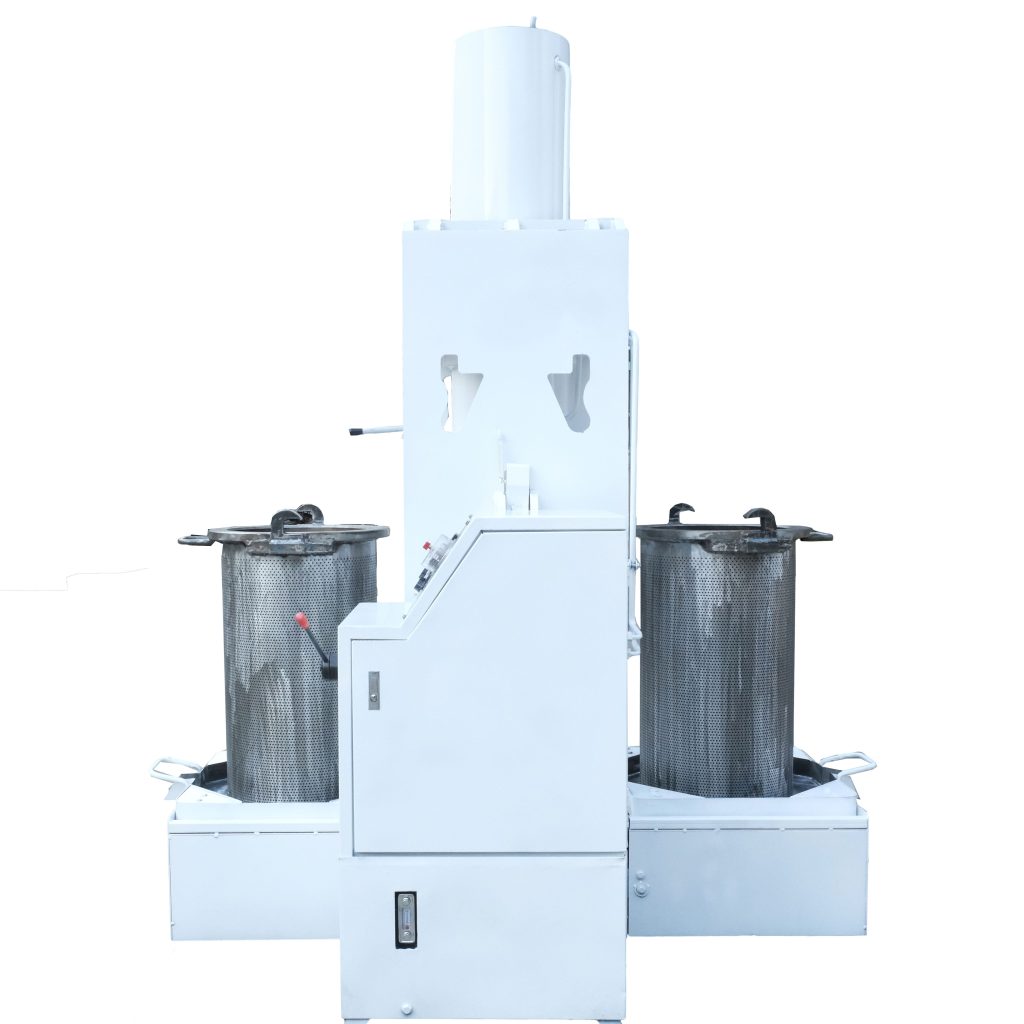
The traditional physical pressing process in walnut oil production uses a hydraulic oil press to press the oil. This process is mature, easy to operate, and flexible in production, making it the most common method for producing edible oil in daily life.
The traditional physical pressing process in walnut oil production uses a hydraulic oil press to press the oil. This process is mature, easy to operate, and flexible in production, making it the most common method for producing edible oil in daily life.
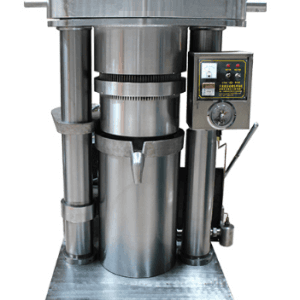
Hydraulic oil press is also known as universal oil press. It is suitable for all materials and is not limited by starch content, fiber content and fat content of raw materials. And it can preserve the unsaturated fatty acids and other nutrients in plastic
Hydraulic oil press is also known as universal oil press. It is suitable for all materials and is not limited by starch content, fiber content and fat content of raw materials. And it can preserve the unsaturated fatty acids and other nutrients in plastic

Sweet almond oil is a widely used base oil that has a light-yellow color, nutty aroma, and slightly viscous and thick texture. Its main constituents are oleic acid (approximately 80%), followed by linolenic acid (about 15-20%), and other accompanying fats
Sweet almond oil is a widely used base oil that has a light-yellow color, nutty aroma, and slightly viscous and thick texture. Its main constituents are oleic acid (approximately 80%), followed by linolenic acid (about 15-20%), and other accompanying fats